All Categories
Featured
Table of Contents
Let's clarify with an example from client service: Suppose a company moves from phone-based support to email or introduces a chatbot for after-hours queries. These are: utilizing technology to enhance an existing procedure. On the other hand,. Picture that very same company embracing a completely automated, AI-powered support system. This brand-new system provides 24/7 individualized service throughout channels like chat, email, and mobile apps.
Digital improvement essentially alters the nature of support, making it more innovative, personal, and always offered. That's digital transformation: an essential shift in how worth is provided through innovation. The plan for digital transformation varies commonly depending upon a business's size, market, and objectives. With emerging technologies and moving consumer expectations, there's no fixed formula.
Most digital improvement efforts concentrate on these key areas: Automated workflows replace manual processes, lowering mistakes, increasing effectiveness, and allowing workers to focus on higher-value tasks. Constantly reconsidering how value is provided by simplifying digital journeys, speeding up assistance, and individualizing experiences across all channels. Legacy systems often slow progress.
The Future of Modern Technology: Top Trends
Real-time data and analytics offer insights into efficiency and consumer behavior, enabling smarter, faster decisions. Unifying platforms and procedures break down department silos, enhances cooperation, and offers management a comprehensive view of operations. As connectivity boosts, so do dangers. Strengthening security, protecting information privacy, and meeting regulatory requirements are important to reducing disturbances.
According to Harvard Organization Review, successful digital change tends to involve five interconnected elements:: Getting the ideal leadership, culture, and skill in place.: Gathering tidy, premium data throughout systems.: Turning that data into functional insights through analytics.: Operationalizing insights throughout workflows, systems, and decisions.: Measuring outcomes and refining techniques based on efficiency.
, likewise highlight the value of aligning strategy, structure, and people to drive meaningful transformation. The five main components of digital change include individuals, information, insights, action and outcomes.
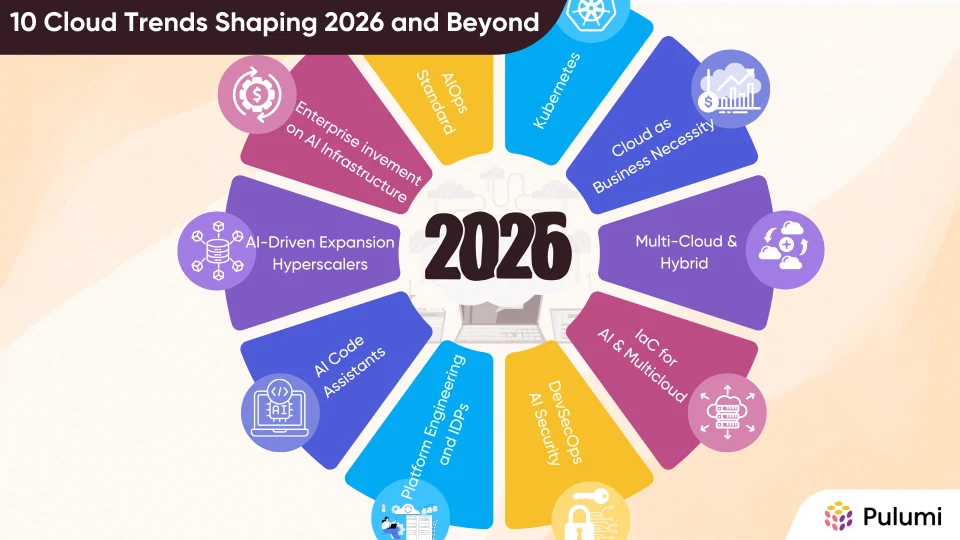
Agile Planning for the 2026 Digital Shift
Here are some particular real-world benefits can you expect: Leveraging the most recent innovations enables you to rethink your entire service design. Early adoption or pioneering brand-new tools can help you approach difficulties in distinct ways, grow market share, and stay ahead while rivals are still capturing up. Digital change enables you to enhance the client journey from start to end up.
Essential Modernization Trends for 2026Automating manual jobs streamlines workflows, minimizes errors, and frees workers to concentrate on higher-value work. These efficiencies cause cost savings through much better resource allotment, less traffic jams, and, in some cases, reduced staffing needs. Real-time information and incorporated systems supply teams with improved exposure, enabling your organization to react and adapt quickly to market changes, client demands, or internal difficulties.
Here are some typical problems to be familiar with:. Embracing innovative innovation is pricey, especially when establishing brand-new solutions. Beyond the technology itself, training, recruitment, and unanticipated downtime can add to costs. The long-term ROI is favorable, however success isn't instant. A total overhaul of existing procedures can produce authentic uncertainty for staff members.
Without buy-in from management and staff, digital transformation is most likely to stop working. Rolling out digital change simultaneously is barely useful: the scope is too broad and the danger is too expensive. Rolling out new systems slowly can result in combination problems with existing legacy infrastructure, leading to information silos, traffic jams, and aggravation for employees and consumers.
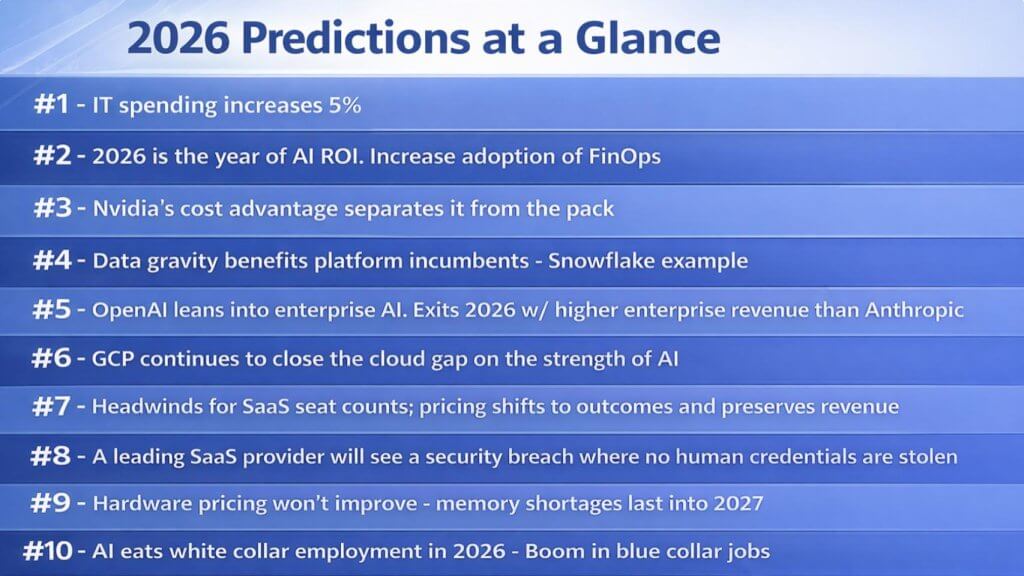
There's no single plan for digital change. Effective strategies do share some common qualities: they're grounded in business objectives, flexible enough to develop with emerging tech, and customized to an organization's people, processes, and industry.
Expert Tips for Successful Corporate Modernization
Start by recognizing the crucial outcomes you wish to attain. Are you attempting to lower expenses, grow income, improve customer experience, or build more durable facilities!.?.!? The most efficient strategies are created backward from wanted outcomes to the technologies and processes that can provide them. Your technique may consist of numerous focus areas depending upon what you're trying to accomplish:: Enhance procedures using automation, cloud migration, and AI-based optimization to lower costs and enhance speed.
: Introduce new products, services, or delivery models (like digital memberships, marketplaces, or self-service platforms) to create new income streams.: Gear up workers with digital tools, enable remote collaboration, and invest in upskilling to support transformation from within.: Enhance cybersecurity, enhance compliance, and style systems that are more adaptable and fault-tolerant.

Latest Posts
Tracking the Business Impact of AI-Driven Transformation
Essential Enterprise Trends for 2026
Building a 2026 AI Blueprint