All Categories
Featured
Table of Contents
In other locations, security concerns and low self-confidence limit what individuals can utilize, which holds AI back. Lots of organizations have actually turned to Microsoft AI options to satisfy these difficulties.
Develop an AI method that fits your service requirements by working through the choices in the following areas in sequence. This step defines how decision makers find where AI can enhance organization results throughout the company.
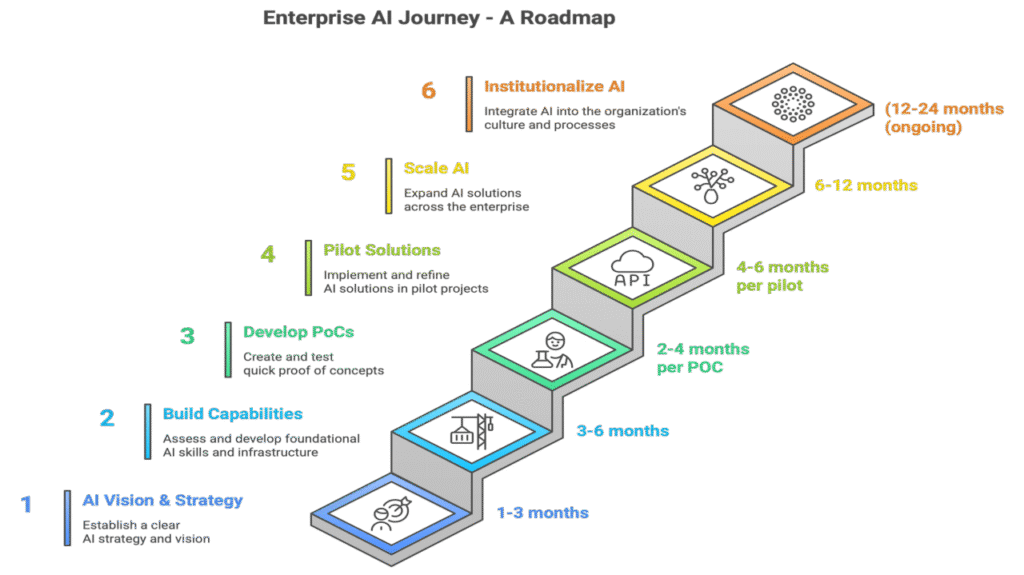
The list does not require to be exhaustive, though it can be. Its purpose is to give everybody a common view of what matters most to business. Resolve it in order so that every use case traces back to real value. Try to find where the organization requires much better outcomes before you think about AI at all.
Key Enterprise Trends in AI-Cloud Convergence
Frame the search in plain terms such as "where do results miss out on expectations" or "where do individuals invest time on repeated tasks." This technique keeps AI pointed at value rather than novelty. Tradeoff: A broad scan surface areas numerous chances, so stay focused on the result gaps that are both measurable and significant.
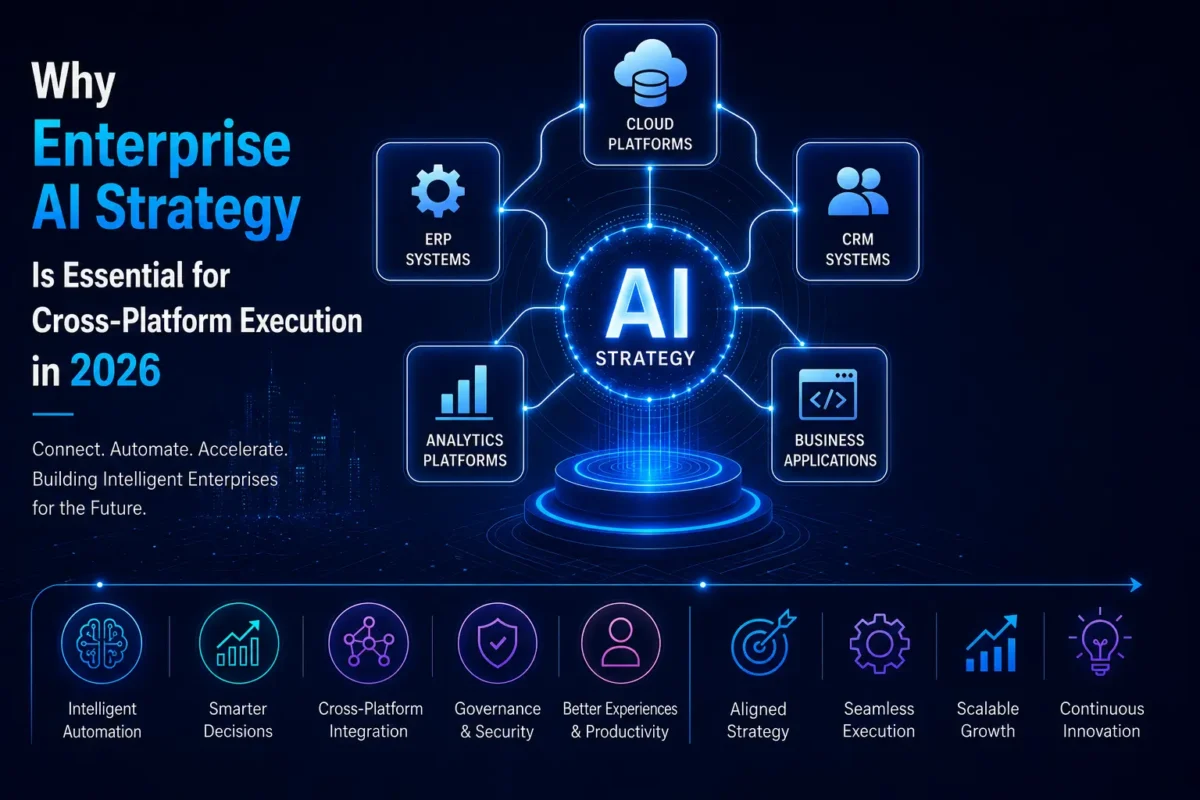
Tradeoff: Early situations tend to be unclear, so refine them into clear and actionable descriptions before you proceed. Classify each use case based upon how it creates value. Use this decision to guide later on innovation options. These use cases enhance how people or teams work inside existing tools. Examples include composing help or meeting preparation.
These use cases change how the company operates or delivers value. They often need combination with other systems and can integrate more than one AI type.
You have the flexibility to adjust it later. produces outputs that can differ even for the same input, and it works well when inputs are disorganized such as natural language or documents. It fits cases where the workflow isn't fixed and where you desire the system to develop material or assist a human choice.
produces constant and repeatable outputs from structured inputs. It fits cases where the workflow is specified and the exact same input needs to cause the same outcome. Lean in this manner for tasks that depend on accuracy such as forecast or anomaly detection. Apply this very same series throughout every service area. A repeatable circulation minimizes confusion, avoids you from reaching for generative AI where it isn't required, and prepares you to choose an option path next.
Empowering Enterprise Shift Through Strategic Adoption ModelsMaximizing ROI Through Next-Gen AI-Cloud Systems
Microsoft provides four adoption designs that trade customization for simplicity under a shared responsibility approach. As you move from the first design to the last, you acquire control and provide up speed.
Use the following guidance to weigh 4 aspects for AI solution: Review the capabilities of Microsoft and Azure AI services to see if they fulfill the requirements of your usage case. Validate the needed information exists and is available for the scenario. Confirm that each use case is attainable with current abilities before you select a service.
Microsoft ready-to-use AI solutions, called Copilots, raise performance quickly due to the fact that they need little setup and deal with data you already have. Microsoft 365 Copilot includes AI help throughout Workplace apps. In-product and role based Copilots focus on particular task functions and industries.: Copilots provide the fastest results, but they offer less modification than a custom service.
Company Apply protective level of sensitivity labels to Microsoft 365 information so protection follows the content. General IT and data management Role-based Copilots and agents Role-specific help for Security, Sales representative, Service, and Finance representative. Business Yes. Data-connection and plug-in options are offered. General IT and information management Microsoft 364 Copilot gain access to or Security Compute Units (SCUs) for Security Copilot In-product Copilots and representatives AI inside products such as GitHub, Power Apps, Power BI, Dynamics 365, Power Automate, Microsoft Material, Microsoft Entra, and Azure.
Unified Cloud Modernization for the Digital Shift
Individual No None Free Microsoft supplies SaaS advancement options to develop AI agents. Copilot Studio lets service users develop AI assistants with natural language, while Microsoft 365 Copilot extensions let you tailor enterprise Copilot with company-specific information and processes.

Latest Posts
Tracking the Business Impact of AI-Driven Transformation
Essential Enterprise Trends for 2026
Building a 2026 AI Blueprint